
Managing real estate held in an irrevocable trust can create financial pressure when the trust has property equity but limited available cash.
Growing a real estate portfolio in California requires consistent access to capital. Even a successful investor with substantial equity and profitable existing properties can reach a point where money is tied up in assets, permanent financing cannot close quickly enough, or the next property does not meet conventional lending standards.
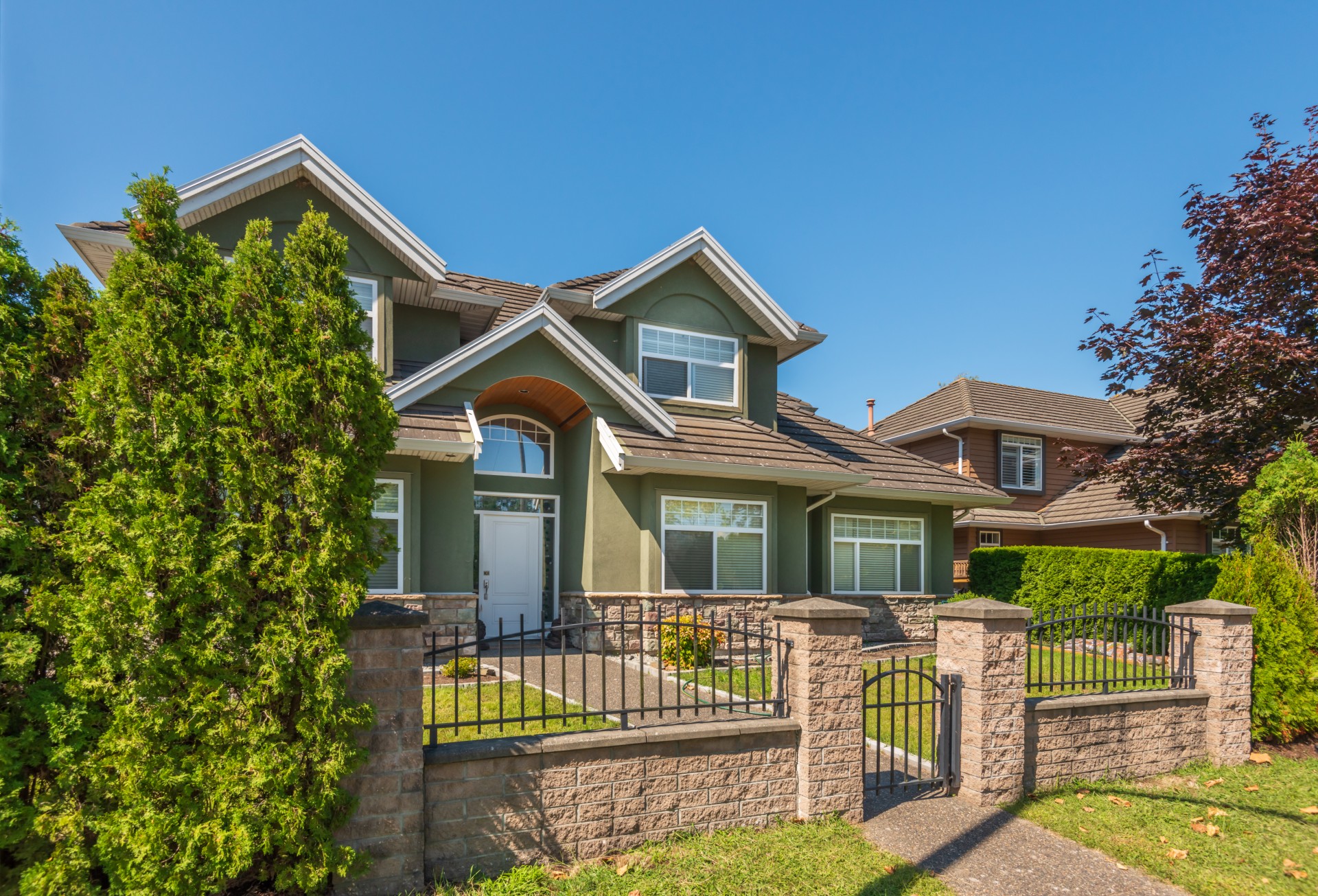
$685K probate loan in Redwood City funded a sibling buyout, helping preserve the Prop 19 tax base before the property was refinanced by the beneficiary.

$1.43M bridge loan in Castro Valley helped a nonprofit close a residential purchase after traditional financing fell through at the last minute.

In California’s competitive real estate market, experienced investors structure financing based on the lifecycle of the asset. DSCR (Debt Service Coverage Ratio) real estate loans are used at a specific stage within that lifecycle. They are designed for stabilized rental properties that generate consistent income and are held for long-term performance.
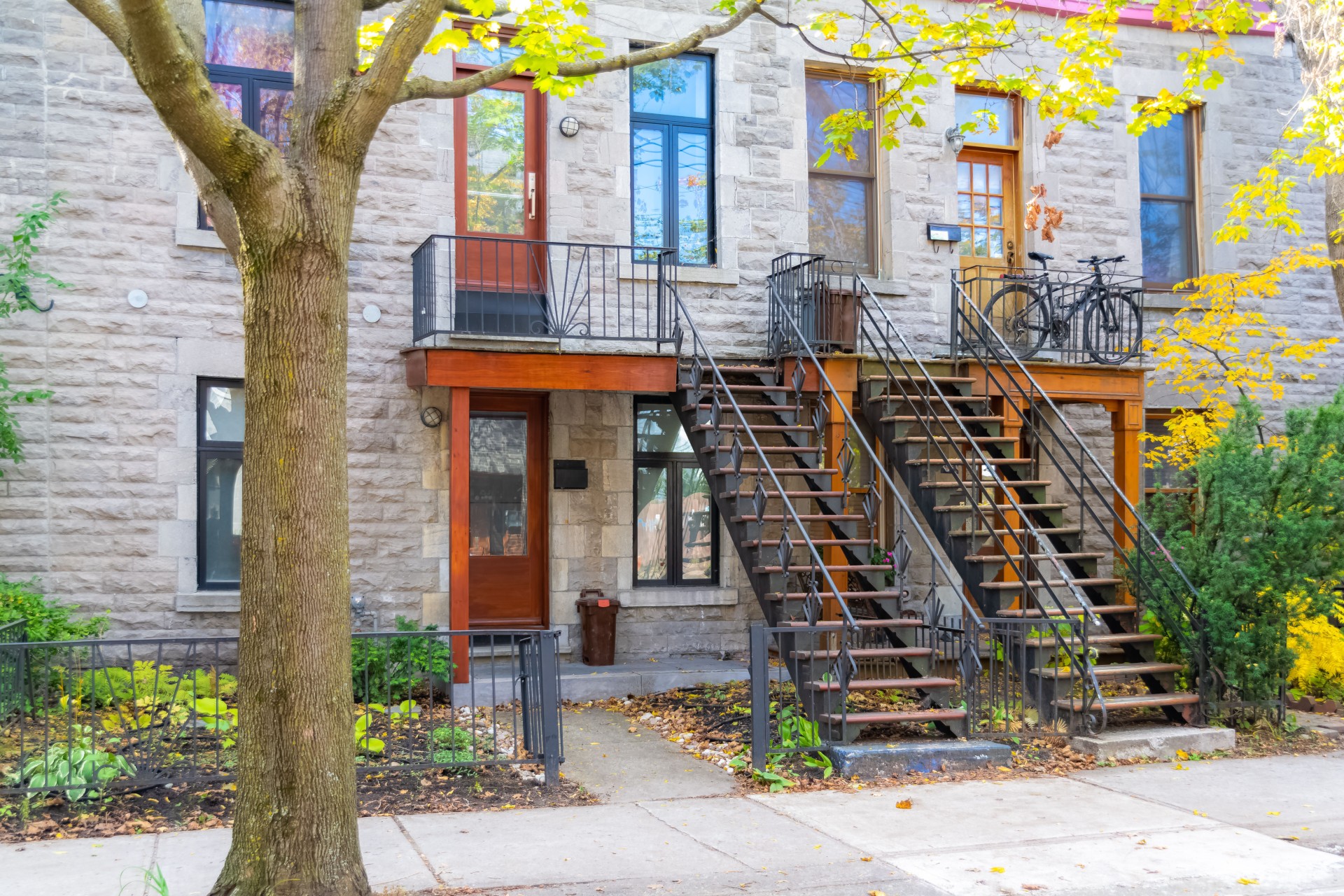
$295K fix and flip loan in Fairfield helped an investor acquire an off-market duplex, complete renovations, and secure an all-cash sale above asking.
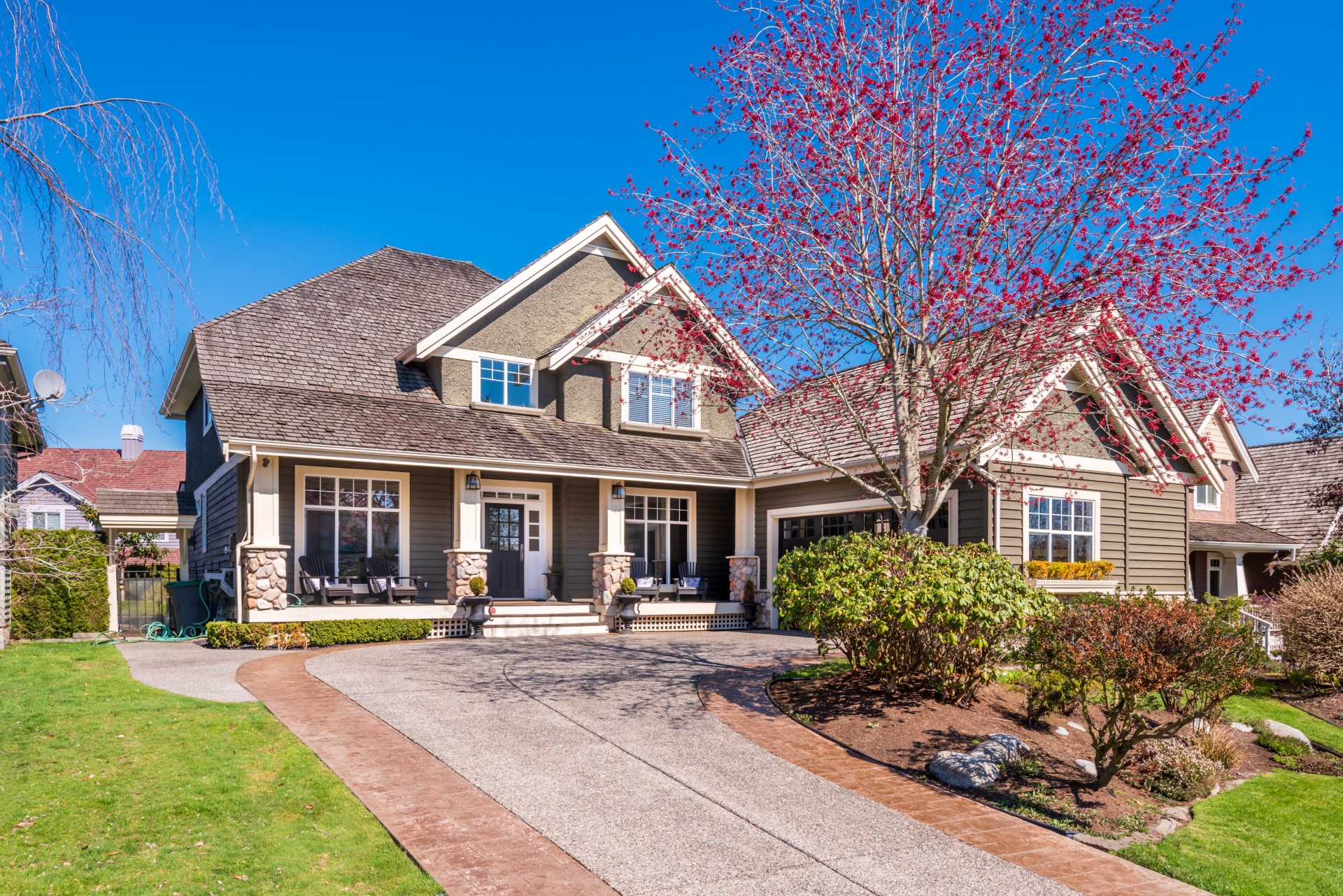
$900K trust loan in San Jose funded a trust equalization, allowing one beneficiary to retain the family home while preserving its low property tax base.

California real estate investors regularly compete against buyers who can close transactions with cash. In many cases, sellers prioritize certainty and speed over a marginally higher purchase price, making it difficult for financed buyers to secure attractive opportunities.
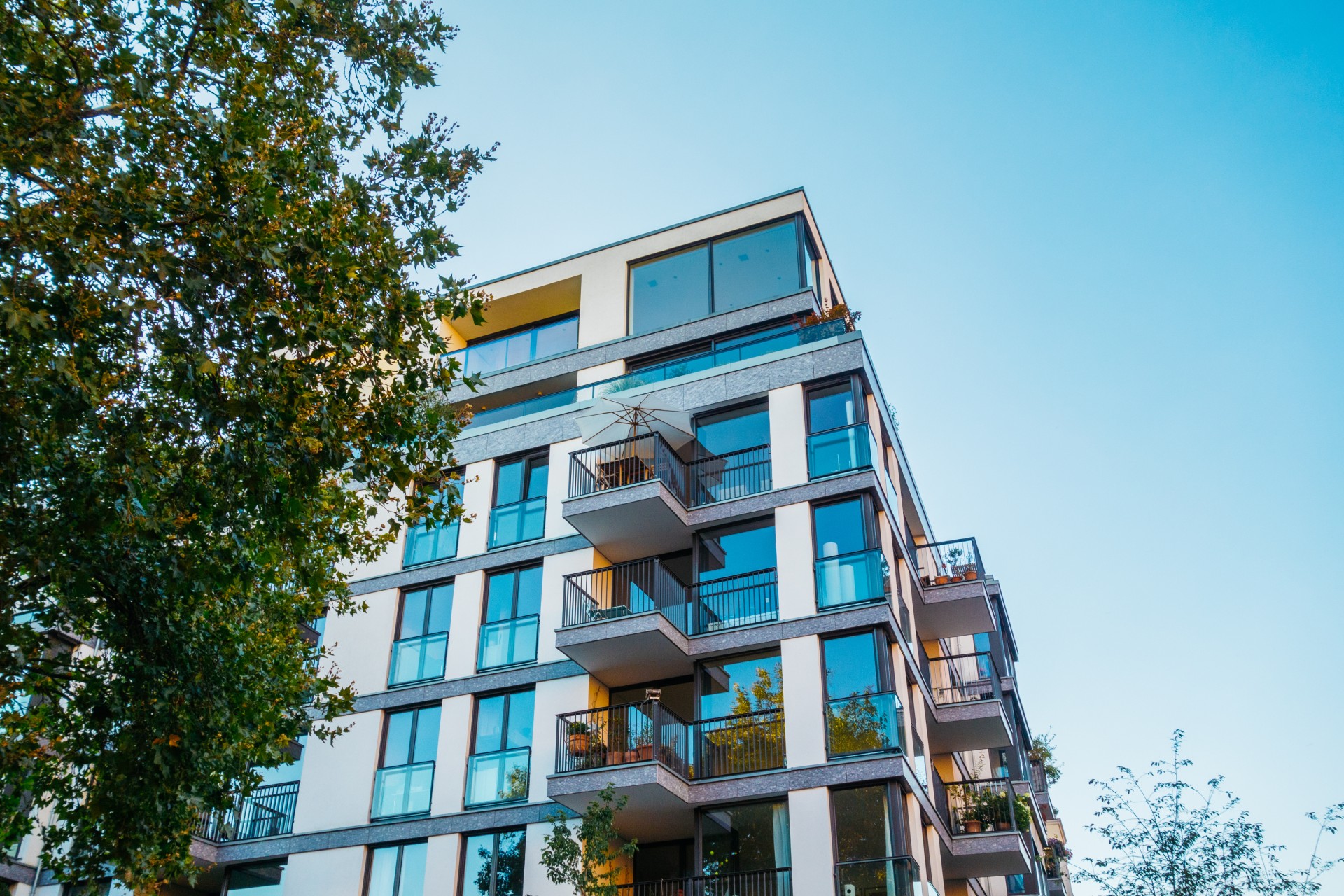
$850K fix and flip loan in Concord helped an investor acquire an off-market condo, complete a full renovation, and sell above asking price.
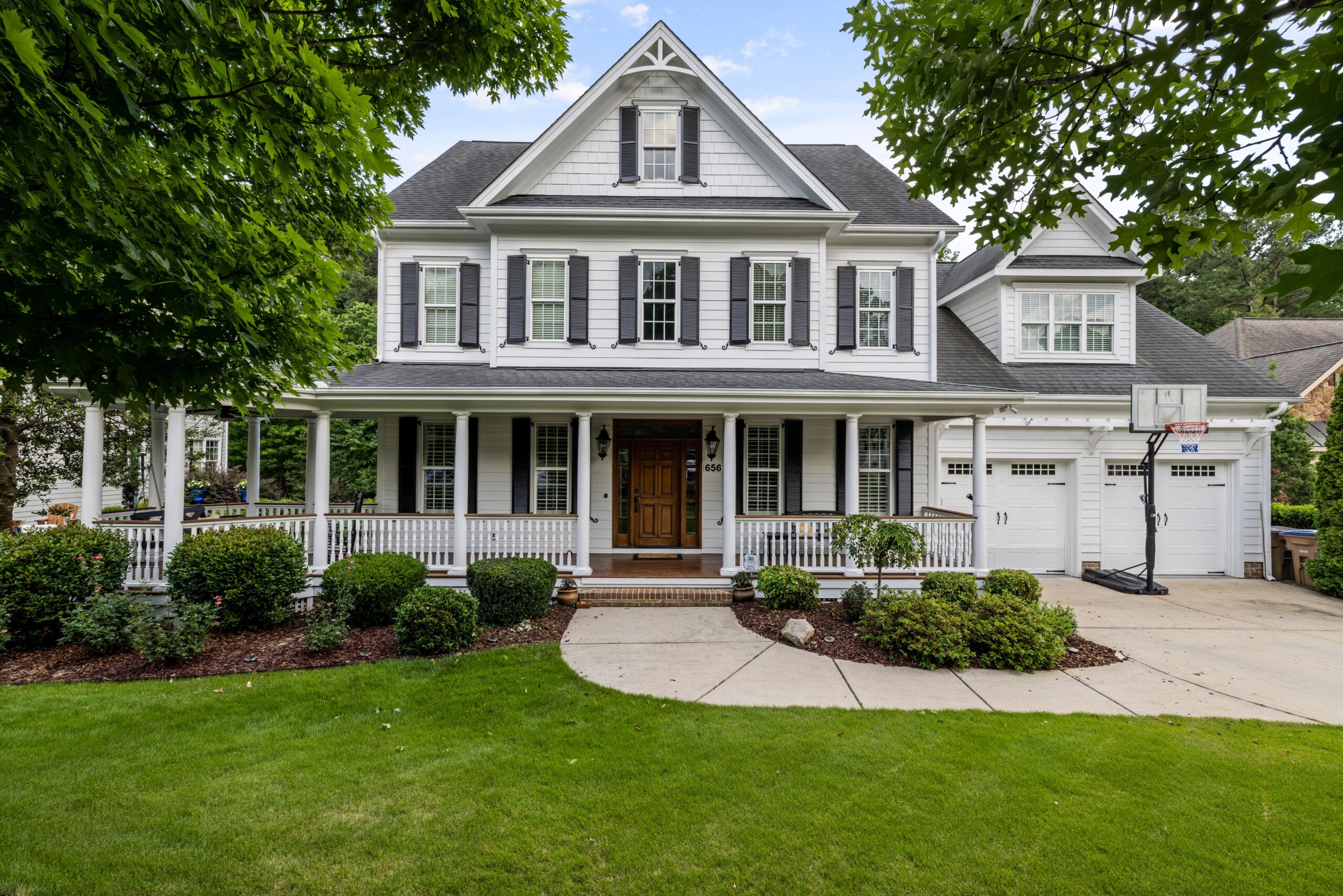
HCS Equity provided a $1,895,000 fix and flip loan to a seasoned investor for a hoarder's property in urgent need of renovation in Carmel, CA.

HCS Equity is a private money lender based in Carmel, California, specialized in loans for trust & estate property. Known for providing quick and low cost capital.
LINKS
AFFILIATIONS


© Copyright 2026 - California Department of Real Estate Broker No. 01877747 • NMLS No. 338682 • All rights reserved. • Privacy Policy | Web Design & Production by Vinci Digital Marketing